


At what stage in the employment do things start to go wrong? The end?
No! They can start to go wrong from the Recruitment stage!
Here are 5 common mistakes that an employer can make during the recruitment stage that leaves them and their business vulnerable to litigation!
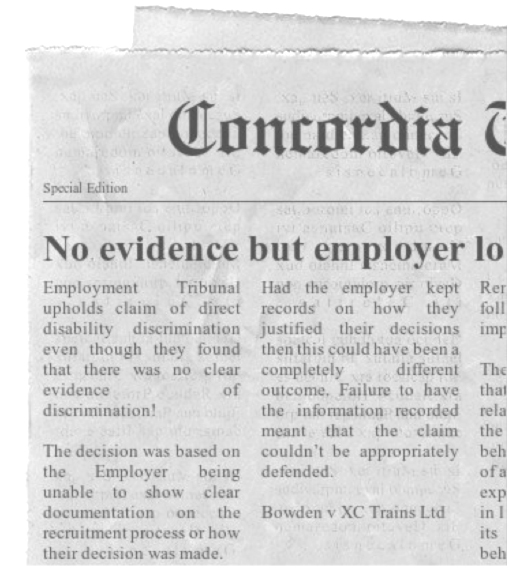
There isn’t a huge amount to say on this topic as it is quite self-explanatory but please note that highlighting the importance of documenting the process is possibly the best tip we can give you!
Not having clear documentation on the process that explains your decisions can lead to your downfall. Even if everything else in the recruitment process is followed, there is always a risk that a claim could be made, and not being able to refer to documentation on it can have major consequences for a business.
We have seen so many cases go to the Tribunal for discrimination at the interview stage and in most cases, the employer remains adamant that they were not trying to act inappropriately and in fact they thought that they were just being pleasant!
Years ago some employers tended to lean away from hiring women that they thought would go on maternity leave. Back then, with fewer laws and less knowledge of potential litigation an employer would often choose a very direct question such as ‘Do you plan to start a family?’ (Today this line of questioning is seen as sex discrimination)
As discrimination became more of a public concern and the laws started flowing in, employers started to take a slightly more discreet approach and would ask questions such as ‘How long have you been married?’ or ‘Do you have any children?’ By gathering the responses to these questions some employers avoided hiring the woman that they thought would having children in the near future and tended to recruit either younger single women or older women whose children had grown up. (Again today this would be seen as sex discrimination but also discrimination against ‘marriage and civil partnership’, yes, under the Equality Act, marriage and civil partnership is a protected characteristic.
Now, today, your questions need to be even more carefully worded. As an employer you probably want to identify whether an applicant is going to fit well into your particular office environment and to do so may want to know as much as you can about them. Tread carefully as many employers have thought they were being friendly and engaging by showing an interest in an applicant only to find that their questions were preserved to be inappropriate. Don’t ask personal questions!
We realise that it is often hard to find the time to deal with the unsuccessful candidates, but remember that a Tribunal process is very timely so if things go very wrong you could be spending a lot longer than you would like to dealing with the litigation from an unsuccessful candidate.
Many claims and accusations are put to the Tribunal (often with discrimination) relating to a candidate not getting the job. If a failed applicant isn’t told that they didn’t get the job, gets a standard non-constructive letter or no feedback they can feel unvalued and mistreated. With these emotions running wild, they can make assumptions and jump to conclusions.
Remember these applicants have given you their time and gone through your process and if they get a response that they are not happy with or feel that you were unwilling to spend some time to give them feedback then they can feel aggrieved.
The best thing that you can do is, make the time to go through your notes for each and respond to them. Thank them for their application, explain why they were not successful on this occasion and make any suggestions you feel are constructive that may help them in the future.
Making sure that there is equality in pay is critical to reducing your risk. If you do need to pay more to a particular employee then make sure that the reasons for this are valid and that they are clearly documented and kept on file.
The first thing to remember is the National Minimum Wage (NMW) which changes every October. All employers should be aware of it and pay their staff this rate of pay as a minimum. Recently we saw an increase in NMW claims, not because employers failed to pay NMW on basic wages, but because staff were working longer than their basic hours! The law doesn’t require an employer to pay overtime pay so many did not, but it is unlawful if the average hourly rate drops below the NMW which in some of the cases it did.
Failure to pay NMW can lead to an employer needing to pay the employee double the difference and also face a fine of up to £20,000 and being named and shamed by the government!
You should be looking at whether you already have a pay structure in place such a pay scales and role grading, then any role should fit in with them. The pay associated with the job should match what you are currently doing for your staff. If the market rates dictate a different rate to your current system, then you could take that into account, but do be careful not to over or under value the role.
You may also need to consider skill shortages but remember a difference in pay between previous, current and future staff must be justified otherwise there could be serious repercussions. It is worth monitoring gender and equal pay on a regular basis to ensure that there are no discrepancies.
Top Tip:
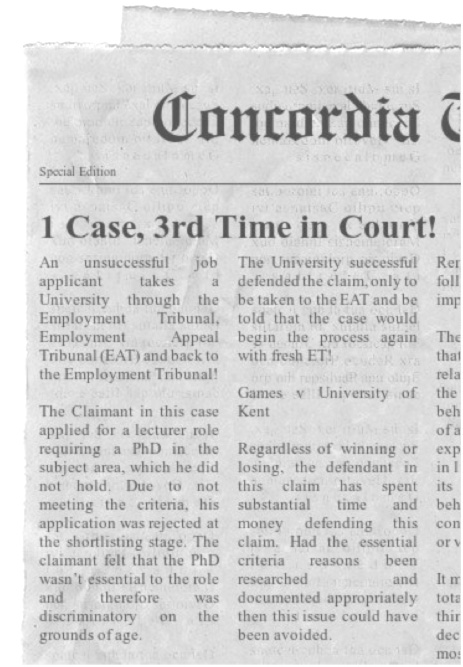
Don’t forget that getting it wrong can also cause problems with the successful applicant! Not being accurate with the specification and including things that might not be relevant to the role or exaggerating the requirements puts you at major risk! You may end up with a great candidate that gets the job but is then left disappointed as they aren’t utilising their skills as the job doesn’t require them. As you probably know, an unhappy employee is much more likely to be problem to your business than one that is content in their role.



Don’t Go There!
4 Toxic Interview Questions that you should not ask!
Don’t do it whatever the reason. You may just be curious about the candidate’s background or country of origin but any questions relating to race, religion or native language should be avoided or could give rise to a discrimination claim. The only exception is ‘if they are eligible to work in the UK’ but we suggest that this is left out of the interview stage.
Don’t ask about an applicant’s marital status, children and future family plans! This line of questioning, however innocent, has landed a number of employers in trouble as they are seen as potentially discriminatory, personal and also can be used to determine a person’s sexual orientation.
Employers should avoid asking any health or disability related questions prior to the job being offered. Asking about these topic prior to the offer decision being made can often lead to discrimination claims regardless of intention.
Even if there is a business requirement (Example: to sell alcohol) then don’t ask this question. What you could ask is ‘As there is a legal requirement for the post holder to be over 18, please could you confirm that you are over 18?’